
The anime “Sentenced to Be a Hero” gives a whole new meaning to heroism that sets it apart from other fantasy and action stories right away. The anime doesn’t show heroism as a choice or a noble calling; instead, it shows it as a punishment given by authority. People are not asked if they want to save the world; they are forced to do so or face death or life in prison.
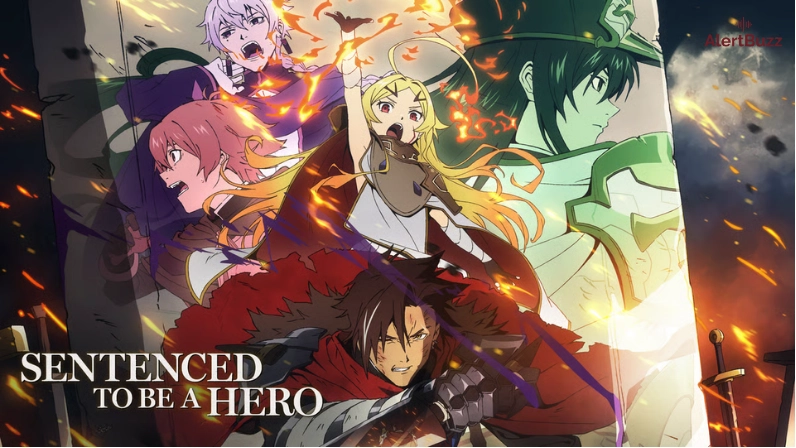
The anime sets a dark tone from the start. The title itself gives the impression that something is going to happen and that it is unfair. Being called a “hero” does not give you respect, honor, or freedom. Instead, it takes away people’s freedom and turns them into disposable resources. This reversal of the heroic archetype is what gives the story its emotional and philosophical weight.
The story’s structure focuses on survival instead of victory. Wins are uncommon, partial, and frequently entail irreversible loss. This method makes people think about hard questions about power, morality, and the price of safety in society.
Sentenced to Be a Hero: Anime Worldbuilding and a Way to Control People
Worldbuilding in the “Sentenced to Be a Hero” anime is very detailed and closely tied to its themes. The setting is split into safe areas where civilians live in relative peace and dangerous areas where monsters threaten people. Heroes are sent to these areas as temporary protectors.
The governing system sees hero assignments as chances to make up for past mistakes. Public messaging portrays heroes as courageous volunteers, obscuring the truth of coercion. This manipulation of the story is like real-world propaganda techniques, which makes it even more disturbing.
Magic and technology work together as ways to control people. People keep an eye on heroes, limit their freedom, and often give them fail-safes to stop them from rebelling. Equipment that makes fighting better also makes people more dependent on the system.
The world feels like a prison not because of constant violence but because of constant watching. Even times of rest are tense, which shows how little freedom there really is.
Sentenced to Be a Hero: The Character Arc of an Anime Protagonist
The main character’s journey is what makes the sentenced to be a hero anime so emotional. The protagonist, who was first shown as someone who was judged by society, reacts to being forced to be a hero with anger, fear, and acceptance.
The first few episodes are more about getting used to things than mastering them. Scenes of fighting show how desperate and creative people can be. Mistakes have serious consequences, which raises the stakes.
As the story goes on, growth happens not through fantasies of empowerment but through changes in the mind. Skills are learned out of need. Power is depicted as a burden instead of a benefit.
The main character’s internal struggle turns into a bigger question about who they are. Are they really a hero, or just a weapon that happened to be in the right place at the right time? This question keeps coming up throughout the story, which makes it more emotionally engaging.
Sentenced to Be a Hero: The Anime’s Supporting Cast and Group Dynamics
The supporting characters in the “Sentenced to Be a Hero” anime add depth to the story. Loss, regret, or defiance shape each hero’s unique backstory. Their reasons for wanting to stay alive are different, which causes problems in the group.
Some characters think that being a hero is a fair punishment. Some people don’t like the label at all. These different points of view cause philosophical conflicts that make conversations and character development more interesting.
Group dynamics are based on need, not trust. Collaboration is tenuous and contingent. Moments of solidarity seem earned because betrayal is always a chance.
People in charge make things even more complicated. Some people really believe that the system is necessary, while others use it for their own gain. This uncertainty stops people from making simple moral judgments.
Sentenced to Be a Hero: Anime Themes of Forced Heroism
The main idea behind the anime “Sentenced to Be a Hero” is forced heroism. In traditional stories, heroes choose to make sacrifices. In this one, sacrifices are forced on them. This difference changes the story’s moral framework.
The anime questions the idea that bad means can lead to good ends. The human cost is still clear, even when cities are saved. People who survive are hurt both physically and emotionally.
Redemption arcs are purposely turned on their heads. Heroism does not absolve previous transgressions; it exacerbates suffering. This refusal to romanticize sacrifice makes the theme stronger.
These ideas are similar to what is talked about in dark-fantasy-anime-explained, where modern anime is starting to look at moral ambiguity more and more.
Sentenced to Be a Hero Anime Psychological Realism
The sentenced to be a hero anime is different from a lot of other action shows because it has a lot of psychological depth. Trauma builds up over time instead of happening all at once. Characters have emotional baggage that they carry from one fight to the next.
Fear, guilt, and emotional numbness are shown in a careful way. Silence, hesitation, and subtle body language convey inner turmoil more effectively than explicit expression.
Winning doesn’t fix mental health problems. Survival frequently exacerbates internal conflict. This realism speaks to people who want stories that are more grown-up.
Sentenced to Be a Hero: Anime Action and Consequence
Action scenes are there to move the story along, not to show off. Battles are messy and tiring. Injuries happen in every episode, which makes it more realistic.
The choreography stresses working together out of necessity, not trust. Improvised strategies take the place of perfect fighting moves.
This tone is supported by visual direction. Dark color schemes, shaky camera movements, and simple effects all add to the tension.
Action reinforces themes of vulnerability and cost instead of glorification.
Sentenced to Be a Hero: Anime Symbols and Visual Themes
Throughout the anime, symbolism is very important. Chains, restraints, and branded markings are all visual signs of losing your freedom. Uniforms set heroes apart from regular people, making them feel even more separate from everyday life.
Recurring images stress the idea of cycles of sacrifice. Heroes are sent, replaced, and forgotten, which shows how indifferent the system is.
Environmental symbols make themes stronger. Crumbling battlefields stand out against clean cities, showing how safety is not evenly spread.
These patterns are worth looking at closely and make the meaning deeper.
Sentenced to Be a Hero: The Cultural Impact, Meaning, and Legacy of Anime
The sentenced to be a hero anime is still popular today not just because of its premise, but also because it speaks to people who are becoming more skeptical of stories that are based on authority. This anime is different from others because it questions who defines heroism and what it costs to enforce it.
The anime reflects a growing interest in stories that go against what institutions say. People who watch TV don’t like simple good-versus-evil stories anymore. Instead, they want stories that show how complicated, contradictory, and morally gray things can be. The anime meets this need by showing heroism as a way to get things done instead of a moral good.
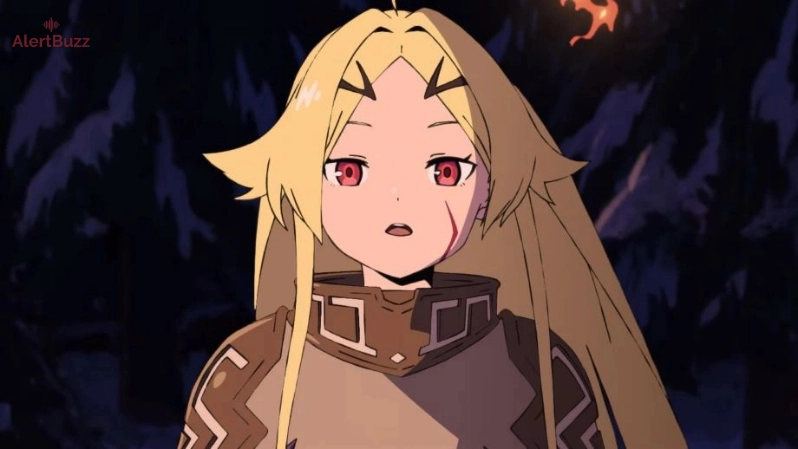
Its popularity among fans of dark fantasy and psychological anime shows that people are changing what they expect from these genres. The anime doesn’t give the audience any comfort; instead, it makes them face uncertainty. This puts it in the same category as other works in the genre that have been talked about a lot, many of which are thoroughly analyzed on sites like MyAnimeList and Anime News Network.
Emotional and Psychological Effects of Trauma
One of the best things about the “sentenced to be a hero” anime is that it keeps talking about psychological trauma. In most action shows, the emotional effects go away after each arc. In this anime, however, trauma builds up. Characters carry the emotional baggage of every battle, every loss, and every time they did something wrong.
Fear is not depicted as a sign of weakness, but rather as a natural reaction to threats and coercion. Characters feel anxious, numb, and conflicted inside, which makes it hard for them to make decisions. These things make the story more realistic and stop people from romanticizing violence.
Silence is an important way to show psychological stress. Characters who hesitate before doing something or pull away emotionally speak louder than dramatic monologues. This restraint shows that the storyteller is mature and trusts the audience to pick up on subtleties.
Identity, Dehumanization, and Resistance
The Sentenced to Be a Hero’s main theme is identity. When characters are called “heroes,” they lose their individuality and become functional roles. Their names, histories, and personal goals become less important than their assigned purpose.
Uniform design, monitoring systems, and the language used by authorities all make dehumanization worse. Instead of calling heroes by their names, they are called by their roles. This systematic erasure makes emotional isolation worse.
But resistance starts to show up in small ways. Acts of self-definition—such as not accepting labels that others give you, making real connections, or questioning orders—become strong gestures. These instances imply that the reclamation of identity constitutes a form of rebellion.
Power Structures and Moral Criticism
The anime “Sentenced to Be a Hero” makes a strong point about power structures without using obvious exposition. Not all authority figures are bad; some really believe that the system is needed. This subtlety makes it hard to put things into moral categories and encourages deeper ethical thought.
The anime looks at how language can be used to justify taking advantage of people. Words like “greater good” and “necessary sacrifice” come up a lot, hiding the pain of people behind vague ideas. This rhetorical technique is similar to how people talk about politics in real life, which makes it more relevant.
The Sentenced to Be a Hero makes people think about accountability beyond just one bad guy by focusing on systemic harm instead of individual malice. The system itself is the real enemy.
How Sentenced to Be a Hero Compares to Traditional Hero Anime
The difference is very clear when you look at it next to traditional anime that focuses on heroes. Traditional stories focus on free will, fate, and moral clarity. Heroes are willing to take on responsibility, and they are rewarded with power or recognition.
In contrast, the sentenced to be a hero anime takes away all choice. Destiny is not something we find; it is something we make happen. Moral clarity turns into moral ambiguity. Survival takes the place of glory as the main goal.
This reversal goes against the rules of the genre and broadens the definition of heroism. Even if you don’t win, endurance, moral resistance, and self-awareness become heroic traits.
Designing Atmospheres and Telling Stories with Pictures
The anime’s themes are very consistently supported by the visual direction. Color palettes stay muted, with greys, blues, and desaturated tones that make you feel tired. Bright colors are only used when something is ironic or false.
Environmental design stresses being limited. The narrow hallways, fortified cities, and hostile wastelands make it even harder to get away. Constant surveillance makes even open spaces feel like prisons.
Character designs change slowly over time. Wear, scars, and fatigue build up, making the story feel more real and consistent. These details make the experience more immersive and emotionally engaging.
Narrative Tone and Sound Design in Sentenced to Be a Hero
Sound design is very important for how the anime makes you feel. There isn’t much music, so silence takes over tense moments. When music does play, it usually makes fear stronger instead of victory.
Sounds in the background, like breathing, footsteps, and explosions far away, make things feel more real. These choices put viewers in the characters’ shoes, which makes them feel more vulnerable.
Voice acting is all about keeping your cool. Quietly, without melodrama, the emotional moments are delivered. This way of doing things fits with the overall tone of the anime.
How the Audience Reacted and Engaged with the Work
The way people reacted to the “Sentenced to Be a Hero” anime shows that it is intellectually interesting. People often talk about moral problems, character psychology, and political symbols instead of power scaling or rankings.
Fans are very interested in thematic interpretation and argue about whether being heroic under pressure is still a good thing. This level of interest shows that the anime is good at getting people to think critically.
People often say nice things about its brave story and honest emotions. Some viewers may find its bleakness hard to take, but many like that it doesn’t give false comfort.
Place in the Dark Fantasy Genre
The anime has its own place in the dark fantasy genre. Instead of using graphic violence or shock value, it creates darkness through suggestion, consequence, and moral tension.
It stands out from stories that focus on one villain by focusing on systemic critique. This method fits with changing trends in the genre that value depth over flash.
People are talking about the future of dark fantasy storytelling, and the anime has had an impact on these conversations. People are starting to value deeper themes.
Potential for Long-Term Storytelling
The story structure of the “sentenced to be a hero” anime lets the characters grow over time. Unresolved political tensions, changing character arcs, and systemic instability create a lot of room for growth.
Future arcs could look into resistance movements, the breakdown of authority from within, or the effects on society as a whole. The foundation allows for storytelling that doesn’t get old.
This potential makes the anime more likely to last and be relevant in culture.
Legacy and Lasting Meaning
In the end, the “sentenced to be a hero” anime makes a lasting impression by changing what heroism means in today’s world. It doesn’t glorify things; instead, it stresses endurance, moral awareness, and the cost of survival.
Its legacy is that it makes people think about stories they already believe. The anime makes people think about power, responsibility, and agency by showing how heroic myths work.
This depth keeps the anime interesting even after the first time you watch it, which makes you want to watch it again and talk about it more.
Anime News Network, MyAnimeList, and Wikipedia’s anime archives are all good places to find reliable anime information, reviews, and more general discussions about dark fantasy storytelling.
Conclusion
The anime “Sentenced to Be a Hero” is a great example of mature anime storytelling. By looking at forced heroism, systemic exploitation, and psychological realism, it goes against what people usually expect from the genre.
The anime tells a story that makes you think and feel by putting more emphasis on themes than on action. It is better than other dark fantasy stories because it doesn’t try to make morality easier or suffering less painful.
This series gives viewers a powerful and lasting experience if they want anime that deals with uncomfortable truths and rewards thoughtful engagement.
Timely stories, timeless impact — Alert Buzz